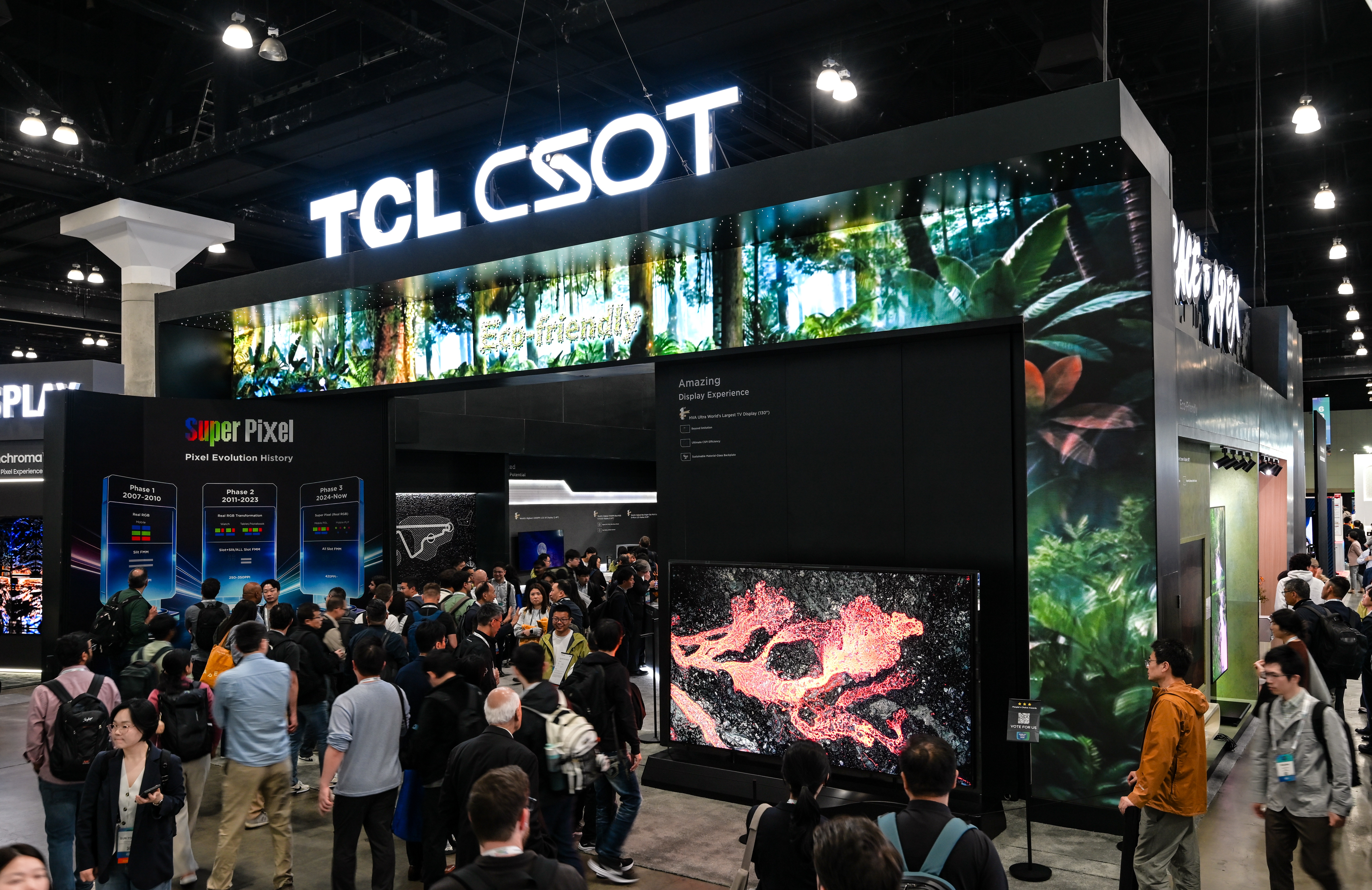
Consumers today expect screens of all sizes to have more vibrant color, richer contrast, and more immersive experiences. At the same time, the companies building displays face increasing pressure to deliver innovation while also reducing power consumption, mitigating product price increases, and accelerating R&D cycles. The industry’s conventional creation tools simply cannot meet all these challenges.
The APEX framework: What it means to put humans first
At SID Display Week 2026, TCL CSOT — a global leader in advanced display technologies and a subsidiary of TCL Technology — is responding to industry demands with APEX, the company’s philosophy for premium, human-centric displays. Inspired by this human-oriented philosophy, the company moves beyond pure technical specifications toward creating impactful and engaging viewing environments across televisions, smartphones, laptops, automotive systems, and AR/VR devices.
“The APEX philosophy represents our attempt to put human experience at the center of display engineering, while treating AI as a foundational tool throughout the entire development process,” said Ming-Jong Jou, Chief of Technology Planning Center, R&D Platform of TCL CSOT.
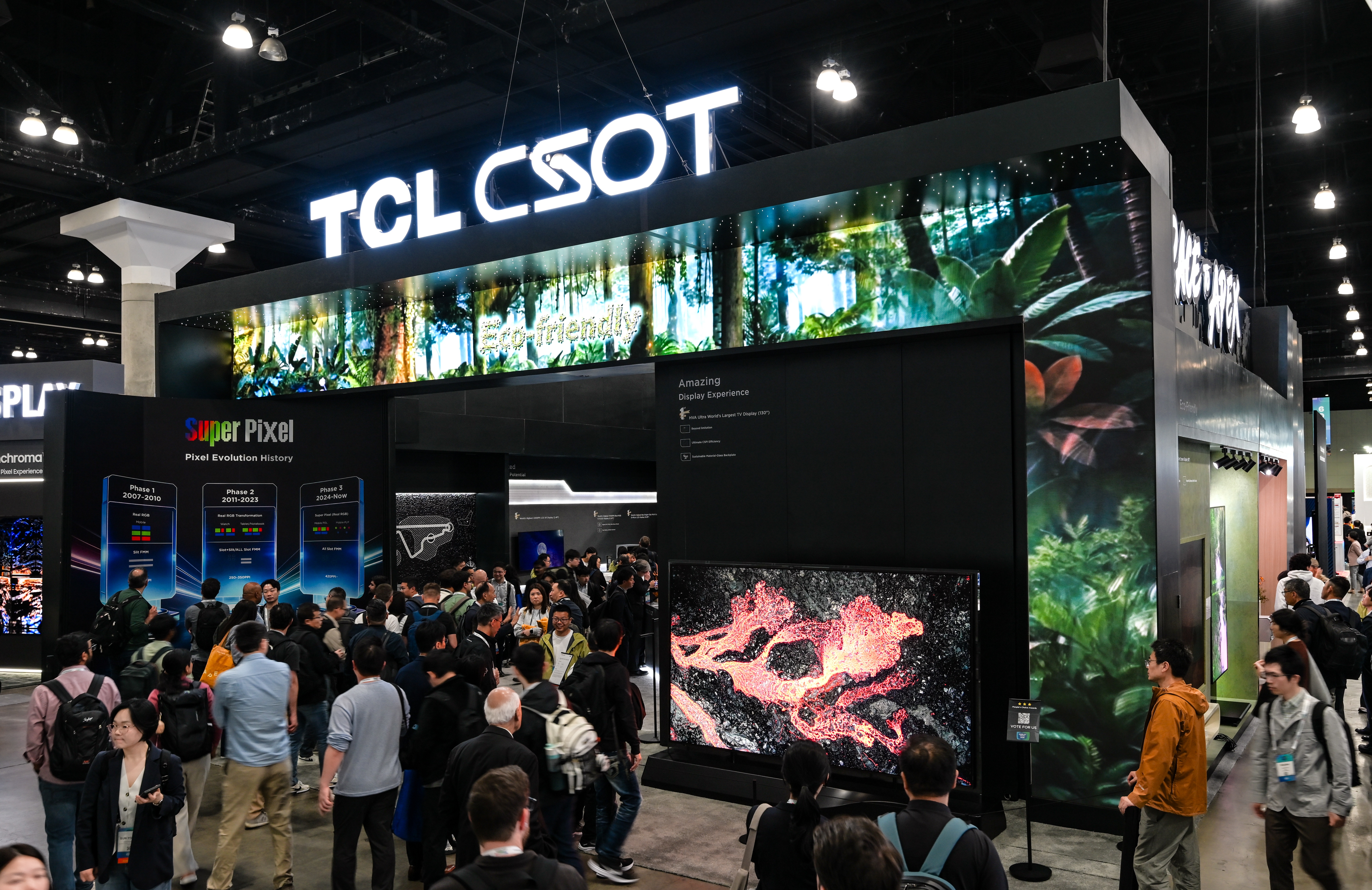
TCL CSOT transforms its APEX philosophy into display innovations at SID Display Week 2026 in Los Angeles, Calif. Source: TCL CSOT
TCL CSOT is dedicated to a human-centric approach, which means building displays that account for well-being alongside technical performance. For example, TCL CSOT is integrating natural light technologies and visual science to balance picture quality with visual comfort. They’re also embedding eco-friendly principles into development, with low-power, energy-efficient LCD solutions that reduce electricity consumption while maintaining premium performance, exemplified by the World’s Largest HVA Ultra TV Display (130″) they have unveiled. It breaks traditional LCD size boundaries and redefines large-format design with an ultra-slim 29.8 mm profile, perfectly combining aesthetic appeal and eco-friendly concepts with stunning visual clarity.
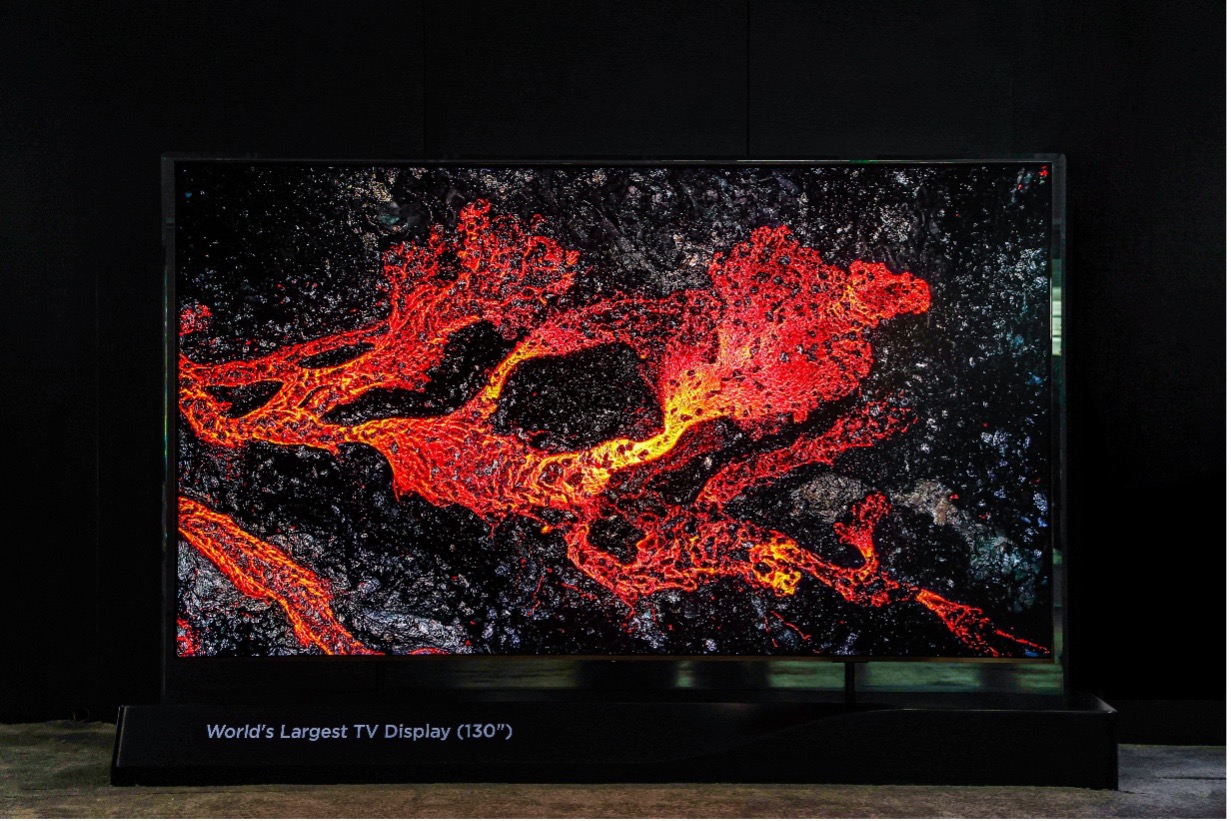
World’s Largest HVA Ultra TV Display (130″) from TCL CSOT at SID Display Week 2026. Source: TCL CSOT
The APEX philosophy also drove the new RGBC pixel structure, which adds a dedicated cyan subpixel alongside the traditional red, green, and blue hues.
For context, traditional RGB configurations struggle to produce pure, saturated colors in the blue and cyan regions of the spectrum. By adding a cyan subpixel, TCL CSOT can deliver vivid, accurate colors, sharp contrast, and 4K+ picture quality in their 85” World’s Highest Image Quality WHVA Ultra LCD TV Display. The fourth subpixel also increases the total sub-pixel count, enabling more refined rendering algorithms and greater perceived sharpness. The result looks notably more natural and convincing.
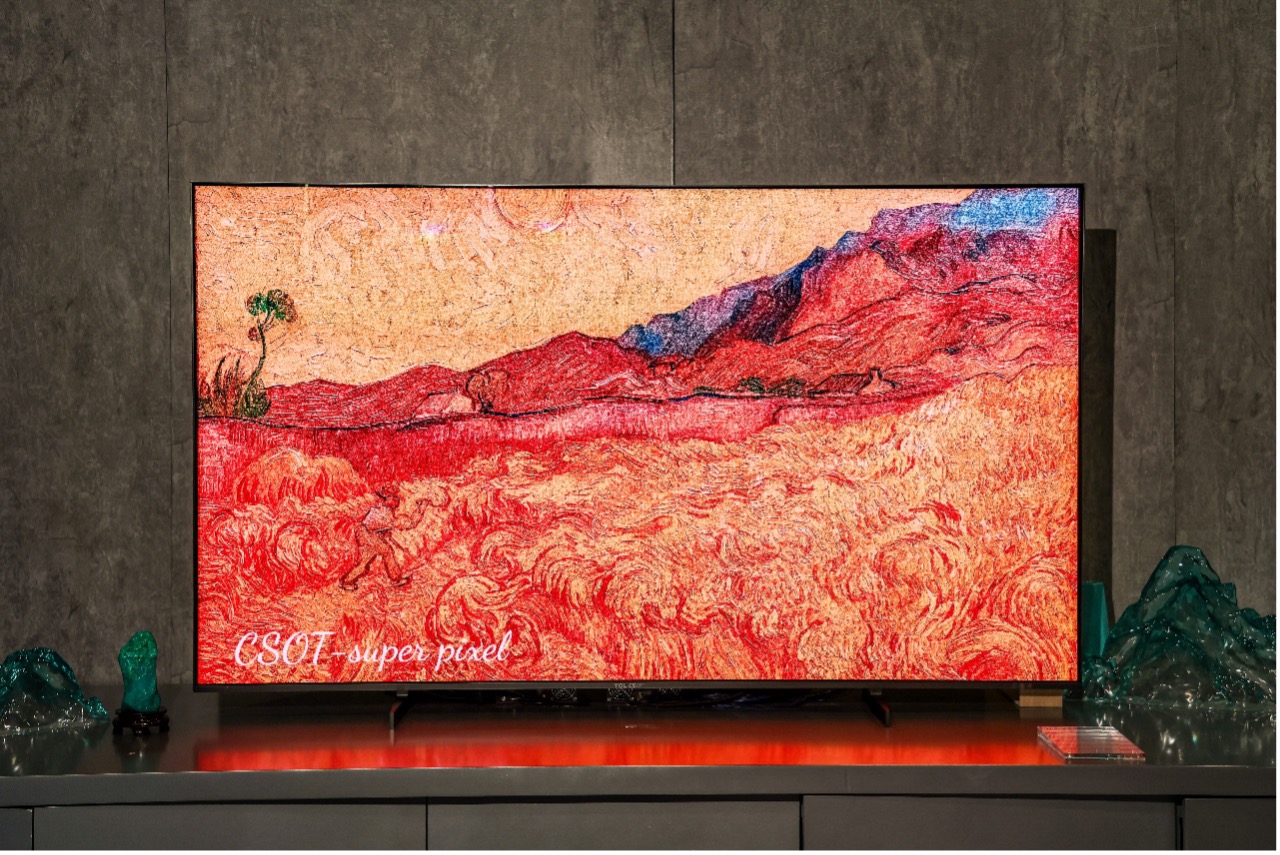
World’s Highest Image Quality WHVA Ultra LCD TV Display (85″). Source: TCL CSOT
AI as infrastructure, not afterthought
AI is woven through every stage of the APEX framework. “We use AI in two ways,” Jou explained. “We use an AI digital twin to save a lot of time in testing and using simulations, which reduces the number of prototypes we need to manufacture. We also use AI for quality control because AI can detect defects much faster.”
That two-pronged approach has produced significant benefits:
- By running simulations through an AI digital twin, TCL CSOT has shortened the average R&D cycle for a single project by up to two months.
- Product issue analysis efficiency has improved by 20%.
- Material development efficiency has risen by 30%.
These outcomes ultimately help to contain costs. On the manufacturing floor, AI-powered visual inspection has reduced the rate of missed defects by 85%, a gain that would be difficult to achieve through manual inspection at the scale and speed the company operates.
Inkjet printing: A rethinking of OLED manufacturing
Another innovation from TCL CSOT is the adoption of organic light-emitting diode (OLED) technology for inkjet printing (IJP). It’s a new display manufacturing method that’s more efficient than the conventional approach of depositing OLED emitting material, which involves a fine metal mask.
“The fine metal mask method wastes a lot of material, and it’s very expensive,” Jou said. “You evaporate the material with a fine metal mask and when the mask comes off, so does a lot of material. Inkjet technology precisely places the material in the right place without using a mask. We can do 300 pixels per inch (PPI) in our factory. In the lab, we’ve achieved 400 PPI.”
Jou also noted that TCL CSOT is moving toward the use of inorganic emitting materials, which have a longer lifespan due to their lower density. As a result, inorganic materials are less likely to degrade with electric currents, thereby extending the product’s lifespan. Inorganic materials also consume less power, which will make displays more energy efficient.
The company’s inkjet printing technology is already finding its way into multiple products:
- The Intelligent Cockpit Display Suite 3.0 features the World’s First IJP OLED Sliding Central Control Display (28″) and the World’s First IJP OLED Curved Armrest Display (28″), both of which are aimed at automotive use cases.
- The World’s First Foldable & Portable IJP OLED Monitor Display (28″) brings the same technology to hybrid work, transforming from a compact portable form into an expansive ultra-wide screen.
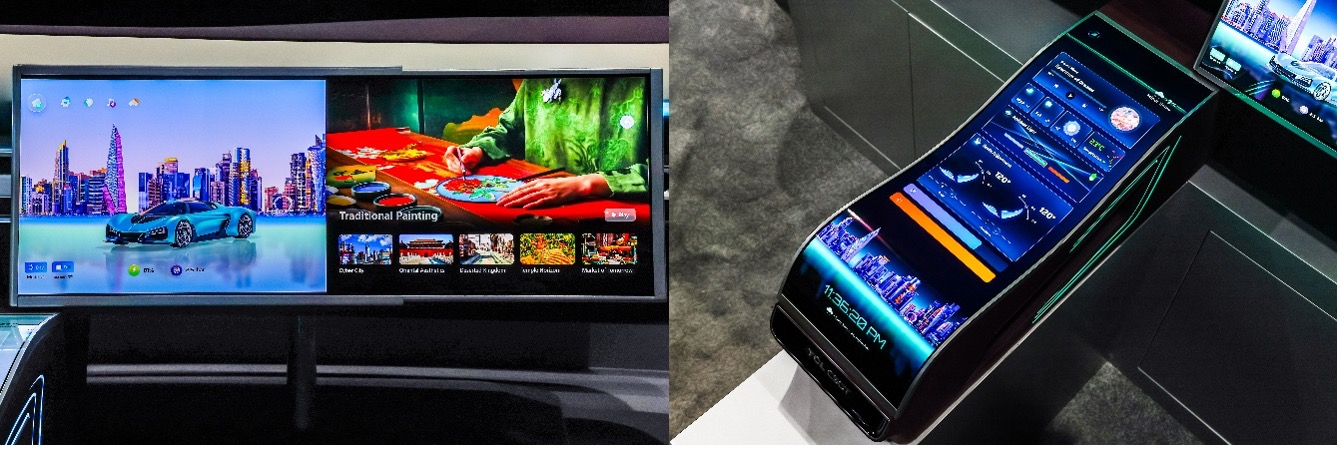
TCL CSOT unveiled the Intelligent Cockpit Display Suite 3.0 at SID Display Week 2026. Source: TCL CSOT
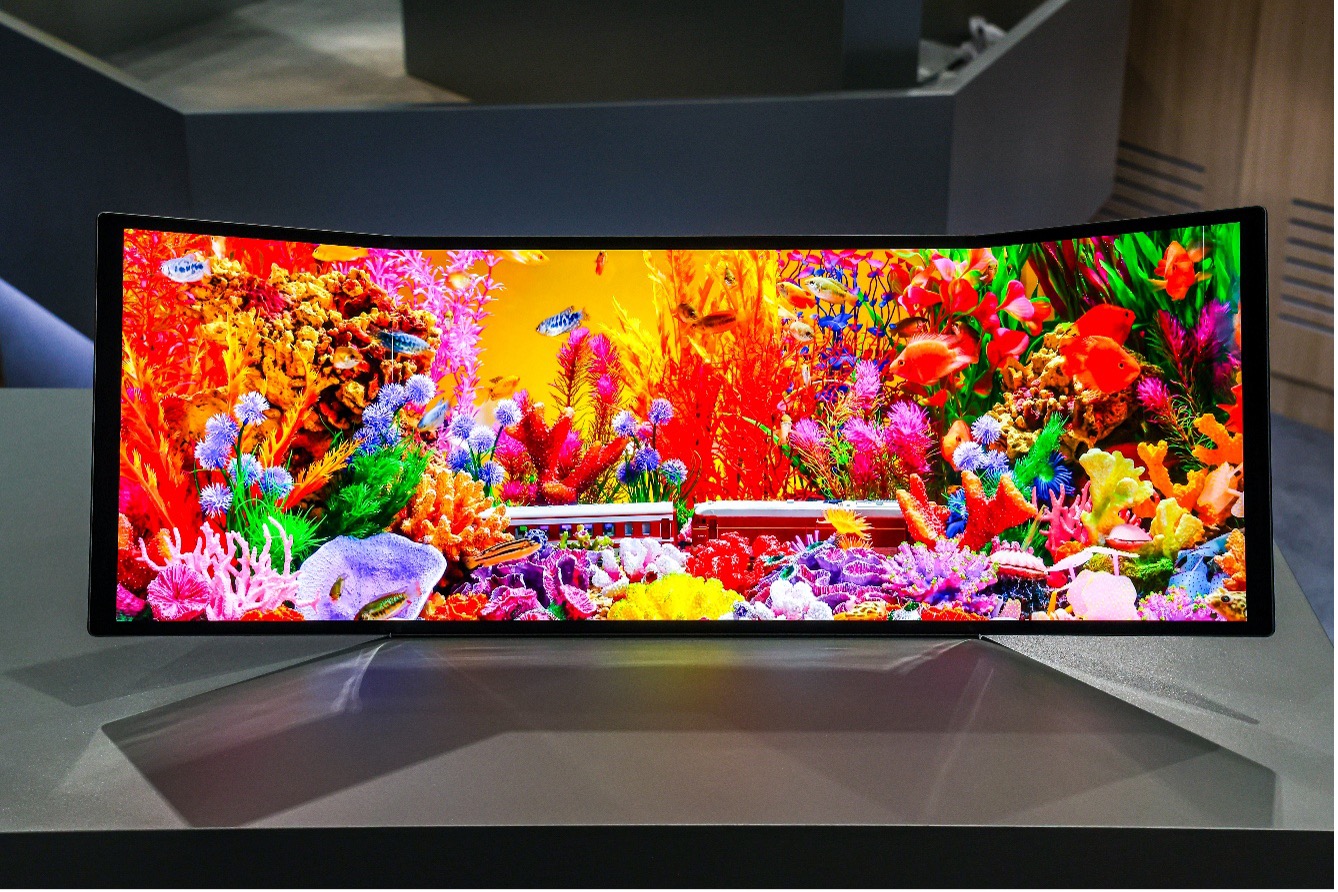
TCL CSOT also introduced the World’s First Foldable & Portable IJP OLED Monitor Display (28″) at SID Display Week 2026. Source: TCL CSOT
Innovation at every scale
“While APEX is our philosophy, APEX Pixel is how we actually make that happen at the pixel level,” Jou said. “Guided by the APEX framework, we have extended innovations across every form factor across TV, cars, phones, and even future technology.”
For automotive environments, the display suite is complemented by advanced HUD solutions, including the World’s First Ultra High Brightness Micro LED AR-HUD Display (4.6″) and the World-Leading High Brightness & Low-Power-Consumption P-HUD Display (12″). Both are designed to safely and intuitively integrate critical driving information into the operator’s line of sight via the windshield.
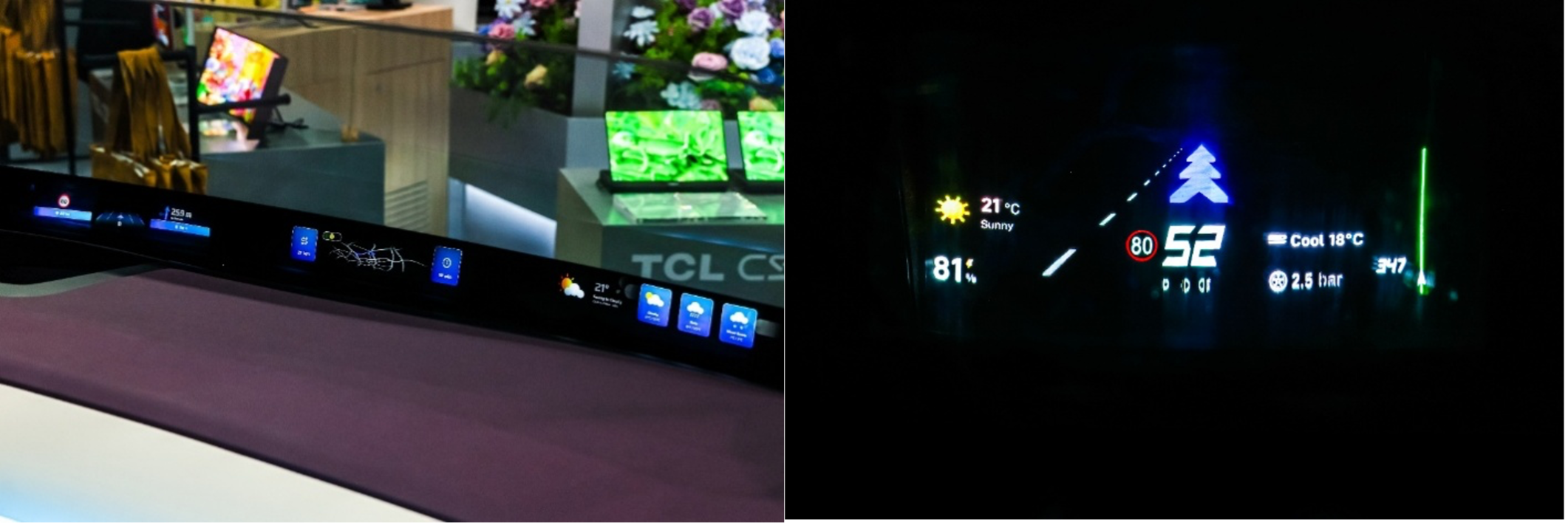
Left: World’s First Ultra High Brightness Micro LED AR-HUD Display (4.6″). Right: World-Leading High Brightness & Low-Power-Consumption P-HUD Display (12″). Source: TCL CSOT
For mobile devices, three super pixel displays have been optimized for clarity, refresh rate, and power efficiency for the 6.9″ form factor. At the furthest edge of the display size range, the World’s Highest 1700PPI Real RGB G-OLED Display (2.24″) delivers 1,700 pixels per inch with ultra-high contrast, while the World’s Highest PPI Single-Chip Full-Color Si-Micro LED Display (0.28″) achieves 5,131 PPI, bringing retina-quality visuals to near-eye virtual and augmented reality applications without the bulk that has historically defined the category.
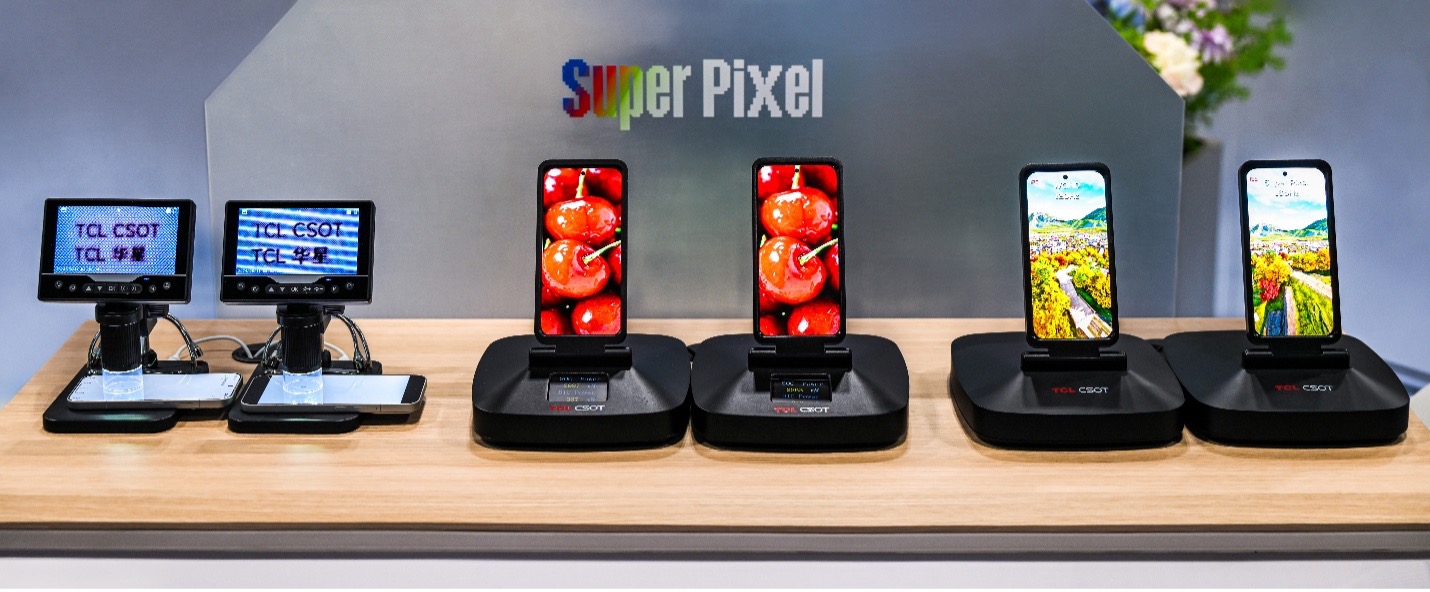
TCL CSOT’s Super Pixel mobile displays. Source: TCL CSOT
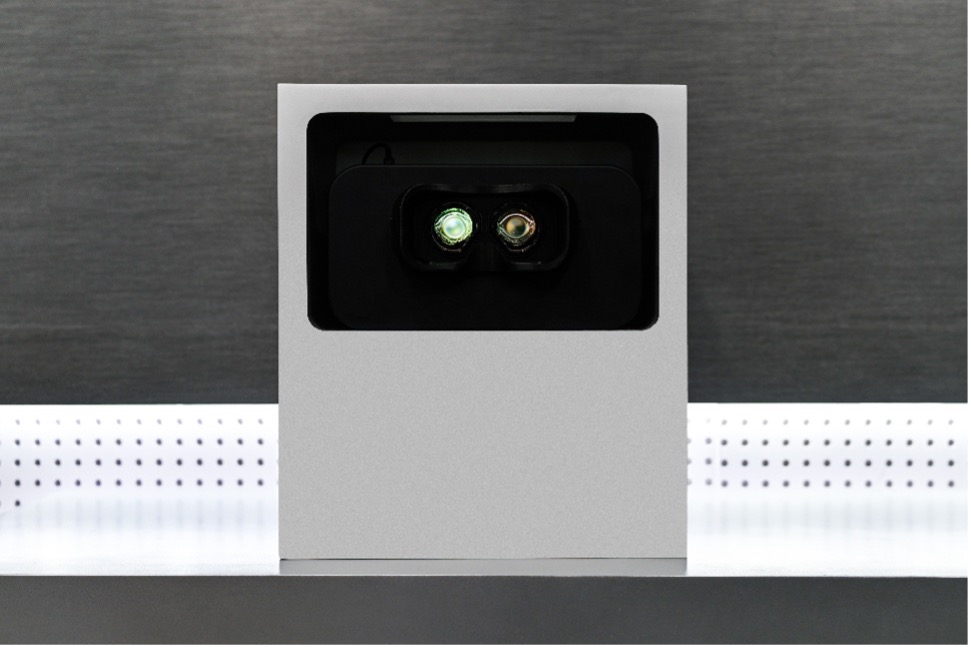
World’s Highest 1700PPI Real RGB G-OLED Display (2.24″). Source: TCL CSOT
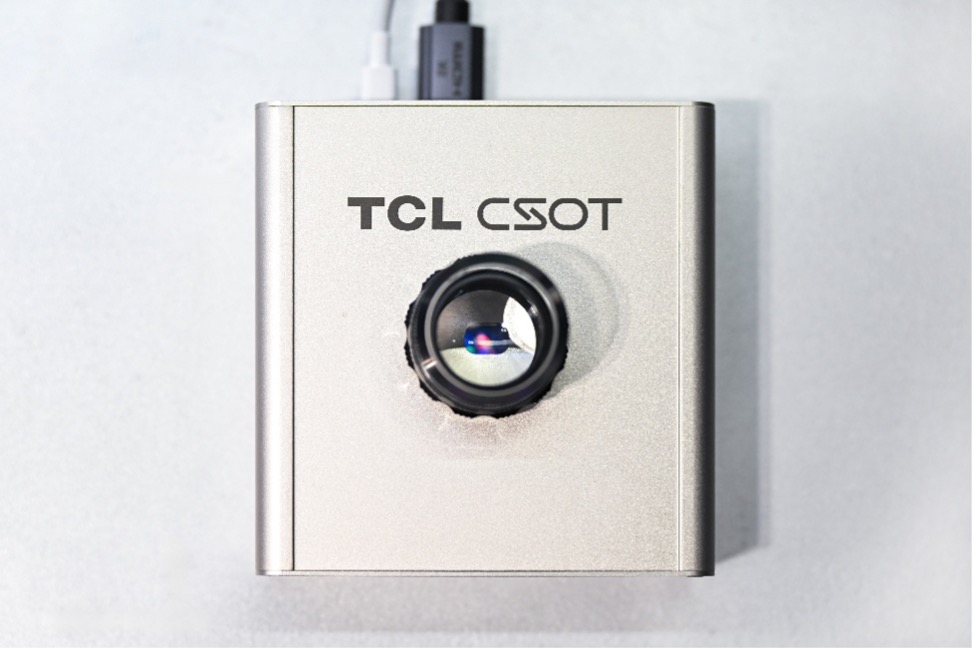
World’s Highest PPI Single-Chip Full-Color Si-Micro LED Display (0.28″). Source: TCL CSOT
The broader vision behind APEX is an evolving ecosystem that adapts to numerous human environments — from intelligent car cabins and large-format home displays to mobile devices and immersive XR headsets. Jou said the company’s goal is to integrate innovative display technology into everyday life, with every screen designed to prioritize comfort, eye health, and sustainability alongside visual performance.
TCL CSOT is meeting the challenges of rising consumer expectations while accelerating the pace of development and meeting cost constraints. The company is building a display ecosystem designed to keep pace with the way people want to interact with display devices, and the screens on which they increasingly depend.
Learn more about TCL CSOT and its display innovations by visiting https://en.tclcsot.com/.