


Using an ad blocker is good for your security, privacy, and even the FBI recommends them to defend from online harms. But as much as ad blockers are great for cleaning up your browsing experience, these tools often do little to prevent the pervasive tracking from ads within apps.
Now, thanks to a new feature in iOS 26 and macOS 26, one developer has built the first device-level ad blocker that works across all of Apple’s main products — iPhones, iPads, and Macs — and isn’t just limited to the browser.
Filtr is a new tool created and maintained by Kaylee Serena Calderolla, the developer behind the popular Safari browser ad blocker Wipr. Wipr prevents ads from ever appearing in Safari, meaning that the ads won’t load, nor will their tracking code that advertisers use to follow you around the web and snoop on which websites you visit. The result is a cleaner browsing experience, free from advertisers watching over your online activity.
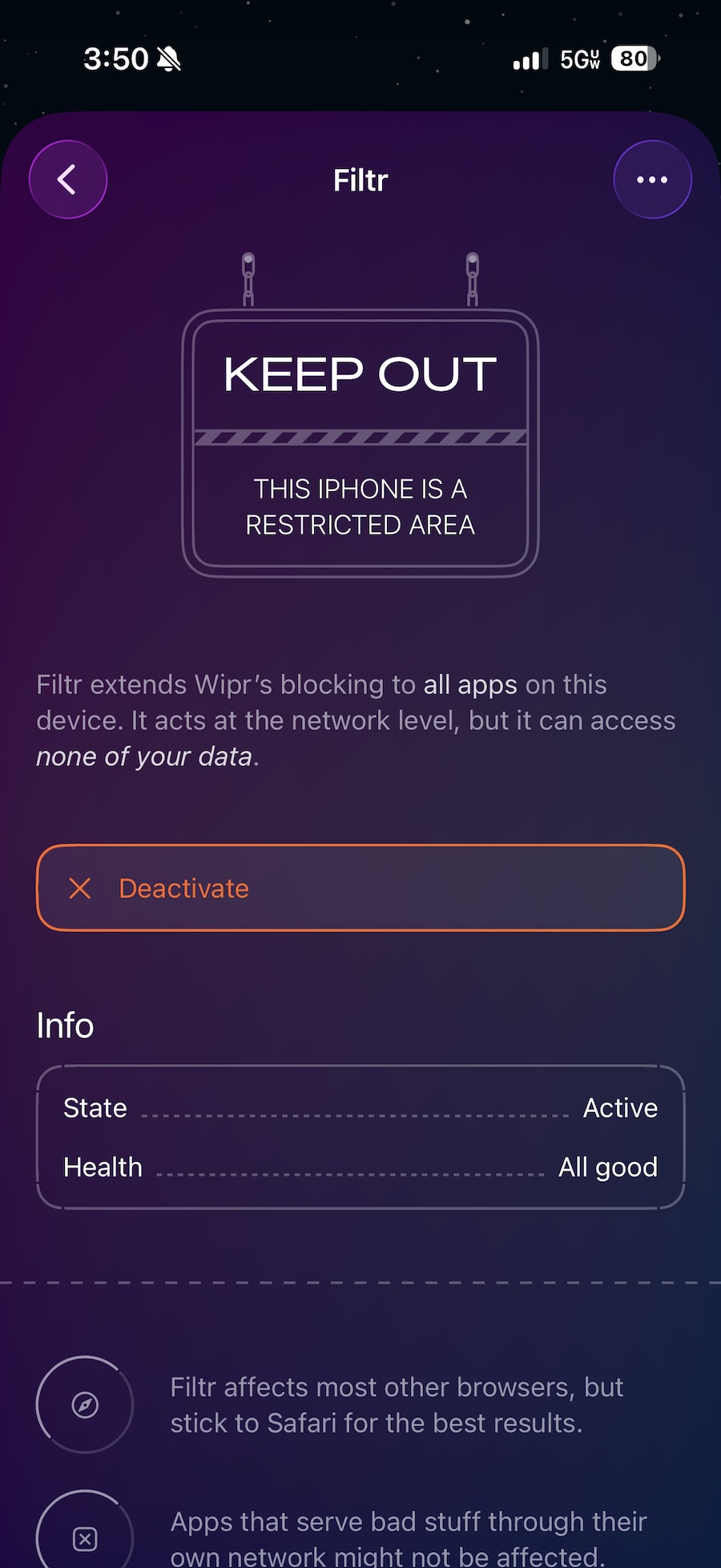
Filtr is an additional paid-for feature bundled into Wipr that goes one step further than ad-blocking in the browser by blocking ads in iPhone, iPad, and Mac apps. Filtr does this by using a new feature embedded in the latest Apple software called URL filters, which lets developers block access to certain websites or domains at the network level, rather than just in the browser.

I use ad blockers across various devices all the time (even if websites like this one ask that you switch them off). I have — full disclosure — used Wipr as my main ad blocker on my Apple devices for years as a paying customer. I also use ad blockers on other browsers on my desktop computers and make use of a Pi-hole ad blocker, a small server that sits on my network at home and prevents ads from reaching any of my devices connected to my home Wi-Fi.
But that still leaves my devices largely open to ads when I’m not on my home network, as well as the various apps that I use that are chock full of ads — including web browsers that aren’t Safari.
As you can imagine, I was keen to give Filtr a spin. Filtr particularly appealed because, as Calderolla states in her privacy policy, her apps “do not collect personal data.” Her apps also don’t need to access any personal information to work, and neither does Apple’s URL filter feature.
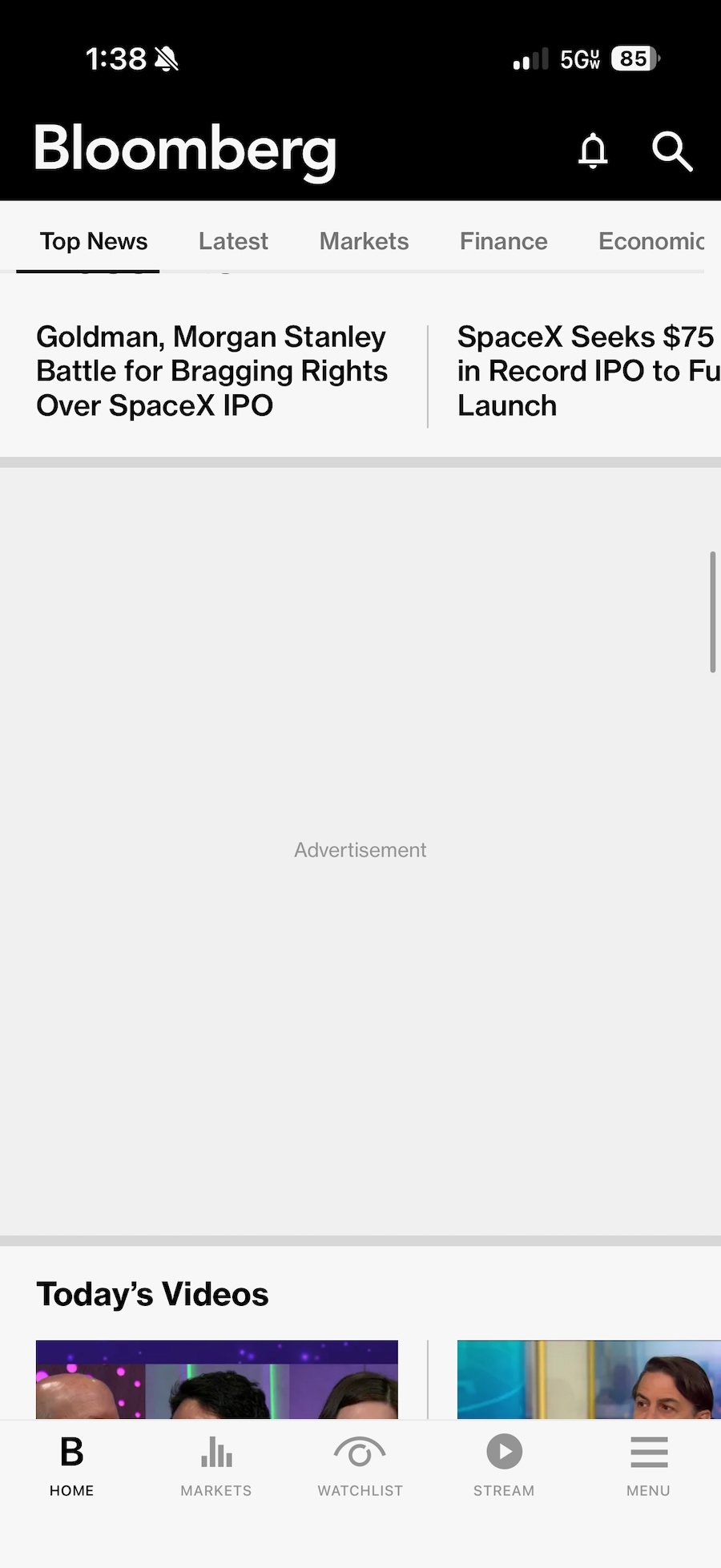
For me, it was a no-brainer — all upside, and no tradeoff. I paid for the $5 annual subscription, added the URL filter to my iPhone, and that was that. The relief was immediate. Every app I opened loaded without its usual flood of ads. Some ad slots showed greyed placeholder spaces where the ads would have loaded.

Calderolla told me this week that Filtr is the first app so far to utilize the URL filters feature; though, that may be in part because it was a “nightmare” to get it to work, some of which she described in a May blog post. Calderolla said that Apple’s documentation on the URL feature was sparse, requiring her to do much of the work to understand how to implement and use the feature.
The URL filter feature relies on an advertising blocklist that Calderolla maintains. Calderolla explained that Filtr consults a “pre-filter” blocklist that is stored on the user’s device and is kept constantly up-to-date via automatic updates in the Wipr app. The pre-filter list determines if a website is not on the block list and, most of the time, the website loads as normal. But if the pre-filter list finds that a website might be on the block list, it will quickly confirm against the list on Calderolla’s servers. Calderolla said that these requests are routed through Apple’s servers as a proxy so that app developers do not know who is querying their blocklists.
This means that you can set up Filtr once and generally never have to think about it again. (For a security or privacy product, that’s high praise.)
There are some caveats, but far from dealbreakers. No ad blocker is perfect, period, but minimizing exposure to the ad networks as much as possible is a major win for your privacy. Filtr does not always block ads that are served directly from the websites you visit. That means you may still see ads in the Facebook, Google, and Reddit apps, as well as any other app that serves ads from its own domain, as blocking these could break the apps altogether. Calderolla said, however, that Filtr can at times block these ads as the feature relies on filtering specific web addresses, rather than the entire domain. (Lifehacker also tested and reviewed Filtr and found that using their mobile websites instead of their apps will still allow Wipr to block the ads.)
Wipr is a universal app that costs $5 in the Apple App Store and works across all of your Apple devices. Filtr costs an additional $5 each year, or $25 for a one-time lifetime payment, via in-app purchase.


