

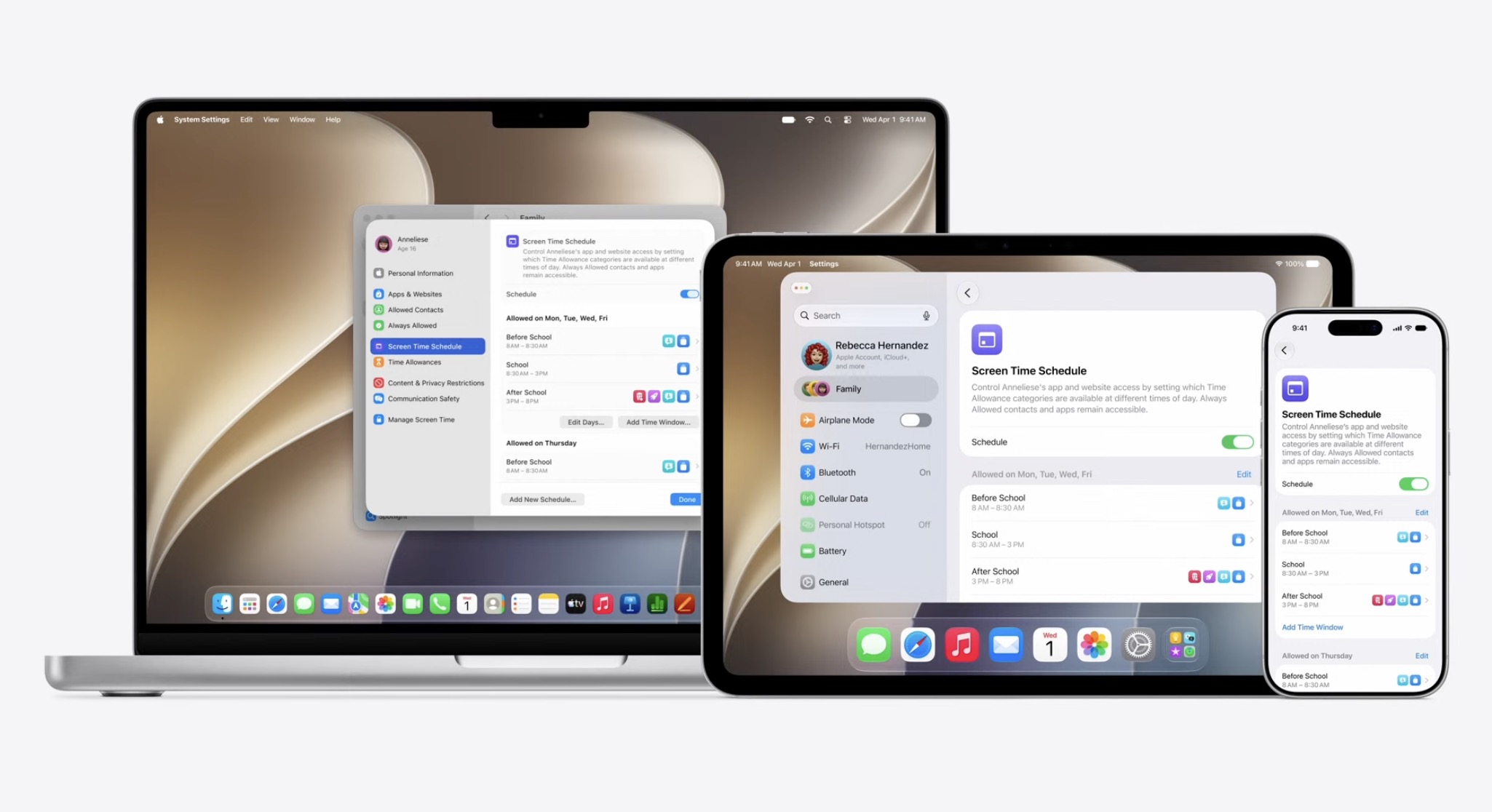
At its WWDC 2026 event, Apple introduced a host of tools designed to put parents back in control over how their kids are using the iPhone. This includes features that let parents decide who a child can talk to, what apps they can use, and whether they can visit specific websites, as well as access to other tools to block inappropriate texts, manage screen time schedules, find age-appropriate app suggestions, and more.
The redesigned version of its Screen Time controls builds on the technology Apple already offers, expanding its capabilities in new ways with more granular controls. This comes as the mental health impacts of technology on children’s development have come to the foreground of people’s minds, and as new laws and regulations are attempting to rein in kids’ access to devices and social media.
When creating a child’s accounts on a new device, Apple will tailor safeguards to their age, blocking adult websites, allowing only age-appropriate media, and setting age-based restrictions on the App Store. Parents can adjust these settings if they prefer, but now they can go even further.
For instance, parents can start off by providing kids access only to the content they’re comfortable with, then add more over time, as they deem it appropriate. Apple will make smart app suggestions upon setup, letting parents pick whether they want to only give a child access to the essentials, or if they want to pick and choose specific apps the child can use. This particularly makes sense for younger kids getting iPhones, like tweens and other school-aged children, who may not be ready for all the social experience an iPhone provides.
In addition, parents will be able to control access to which websites kids can browse — a feature that’s been much in demand since kids have historically used websites to work around parental controls that would restrict access to certain apps, often social media.
This feature, “Ask to Browse,” works across iPhone, iPad, and Mac with Safari, Apple notes. And it, along with “Ask to Buy” for apps and games, is on by default for kids under 13.
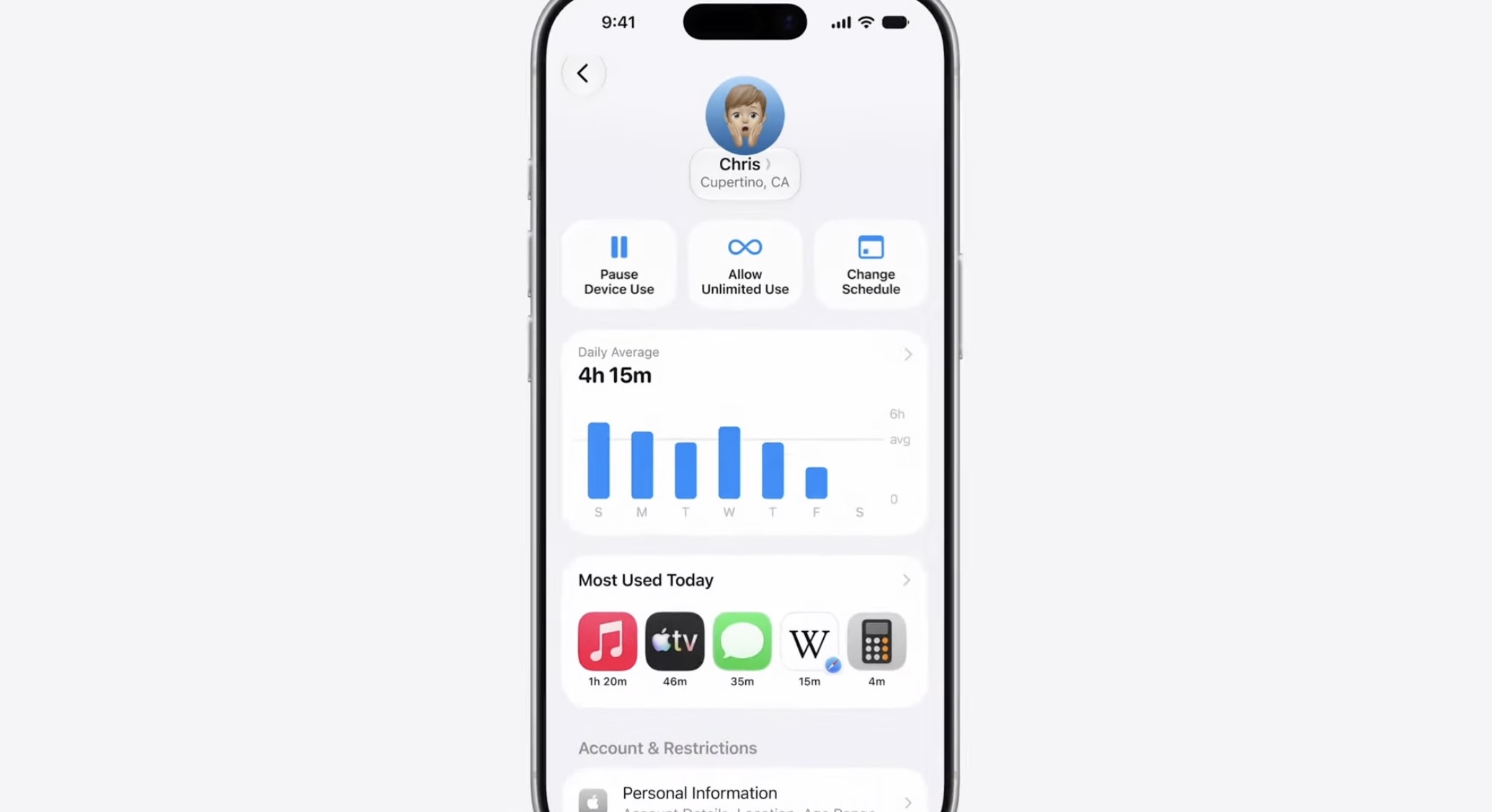
Parents will also be able to control which contacts the child can add to their contacts, and can opt to block media arriving in text messages that may include gore or violence. A similar feature has already been available to block possible nudity, to assuage sexting concerns.
The company’s existing Screen Time lets parents set up a schedule and choose which apps are available on which days and at which times. The feature helps parents limit access to things like social media during school hours, but not on weekends.
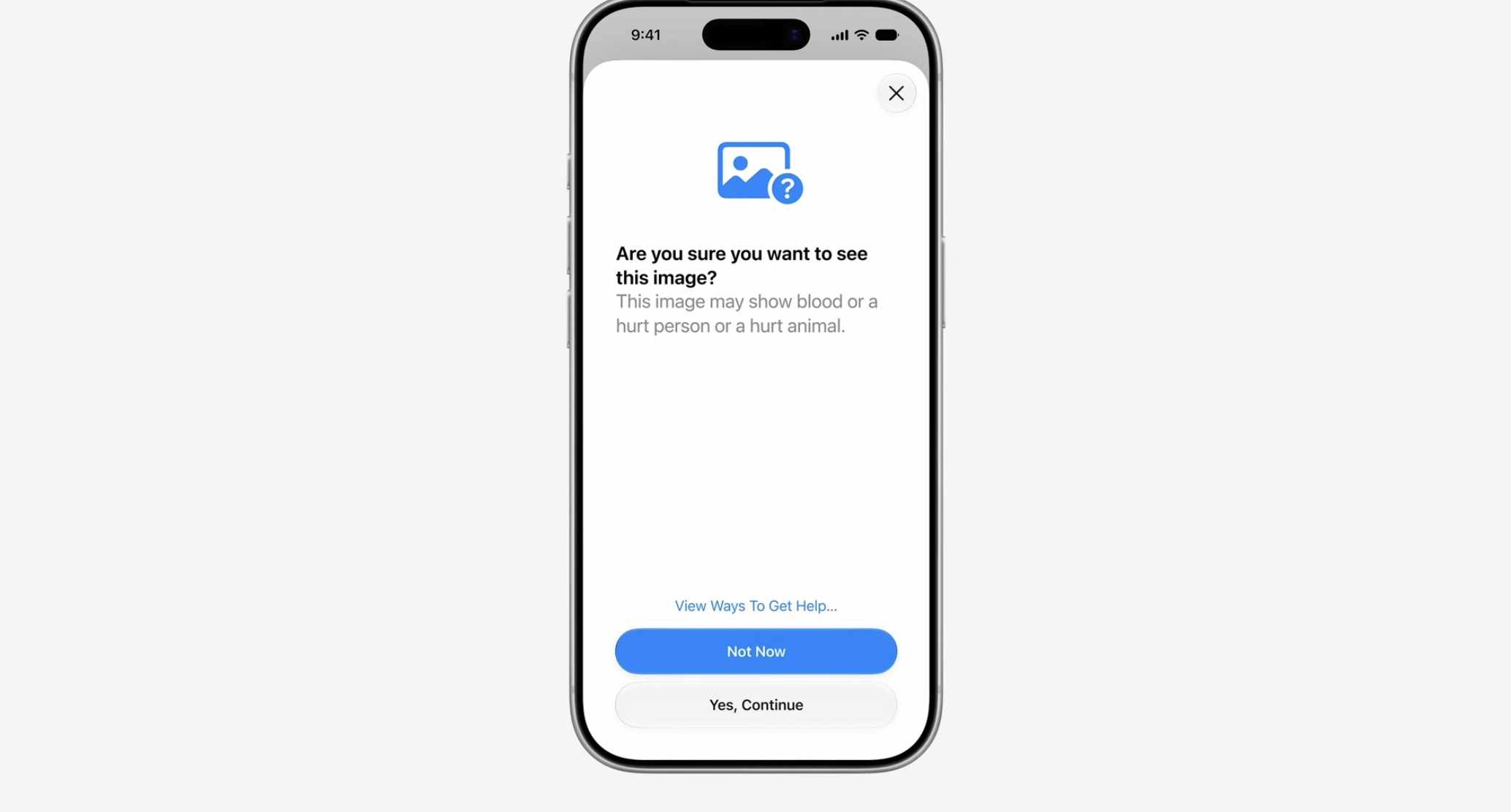
What’s new is that Apple is now relying on experts’ advice to make some initial screen time allowance recommendations, based on a child’s age and the app category. Apple said it consulted with the American Academy of Pediatrics and others on this feature. The company also pointed in particular to the fact that social media apps aren’t advised for children under 13, which is why Apple may suggest that category is turned off for younger kids.
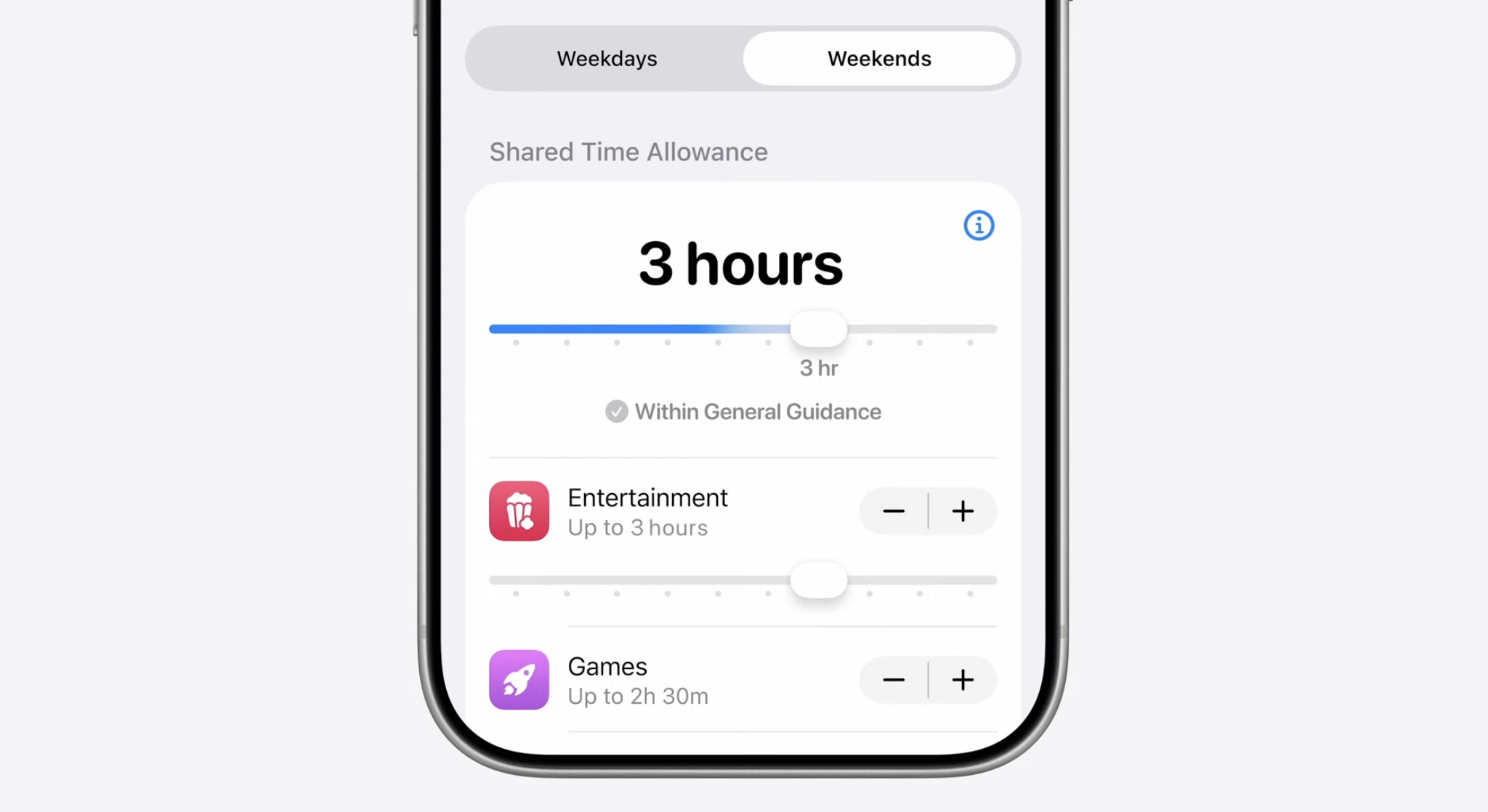
The Screen Time feature has been redesigned, as well, to make it easier for parents to see how kids have been using their devices, and to allow parents to adjust that access with just a tap.
App developers, meanwhile, are offered a full suite of APIs that let them protect against nudity and violent content in apps, help ensure parents approve any new contacts in apps, or ensure a child is of age to use their app, among other options.
The new parental controls will roll out to consumers with the release of iOS 27 in the fall.
Catch up on WWDC 2026
Everything announced, from start to finish


