


Lectric eBikes, a Phoenix, Arizona-based company known for its practical and affordable XP series electric bikes, has launched three new brands so far this year — a Juiced Bikes relaunch, a new Juiced Powersports brand, and now a premium adventure brand called Monarc — an expansion strategy that runs counter to the wave of bankruptcies that have plagued the sector.
Together, Lectric has put about $10 million toward these initiatives, CEO Levi Conlow told TechCrunch.
“Others might be pulling back, or raising money, we’re actually deploying and investing into initiatives like this,” he said. “I actually don’t think the market is saturated right now; Lectric last month had its biggest sales month in our company’s existence and we sold almost 30,000 bikes. I’m not sure anybody has done that before, even at like peak COVID.”
It may seem like an odd time to launch an e-bike brand, let alone three.
In the past two years a slew of e-bike companies have filed for bankruptcy, shut down, or withered until they were snapped up by larger companies. Rad Power Bikes, the buzzy electric bike company that raised nearly $330 million in venture capital, was perhaps the highest-profile collapse. The company, once valued at $1.65 billion, filed for Chapter 11 bankruptcy protection in December. Its assets were acquired by Life Electric Vehicles Holdings for $13.2 million.
“To me, it’s just opened it up,” Conlow said of the market after listing a dozen companies that had folded or left the U.S. market. “I think the market actually lacks a lot of worthy competition right now.”
The contrarian bet has a contrarian backstory. Conlow and co-founder Robby Deziel never raised venture capital, instead bootstrapping the business, which they founded seven years ago as childhood friends, before taking an investment from private equity firm Bertram Capital Management in 2020. What started as a scrappy startup is now one of the top-selling direct-to-consumer e-bike companies in the U.S., shipping 150,000 units in 2025.
The playbook — bootstrap, stay profitable, let better-funded competitors implode, then expand — is one that founders across hardware categories might find instructive. But Conlow is careful about how Lectric grows. Trying to sell e-bikes for every kind of customer risks diluting the brand, he said.
“What we’ve learned is that Lectric cannot be everything to everyone,” he said, before pointing to its broad product lineup, which includes folding bikes and an electric tricycle. The company sells 90% of its products direct to consumers through its website, which, depending on the month, attracts 2 million to 4 million visitors.
The solution is to keep the brands separate or risk dilution. Featuring a Juiced Bikes model prominently on the Lectric homepage, for instance, might pull attention away from Lectric’s best-selling XP Series, sending the wrong signal to the wrong customer.
“You need to be a lot more intentional, and when you’re more focused, you can go really deep into that vertical; you can make customer service, branding, and marketing specific to that product and that company,” he said.
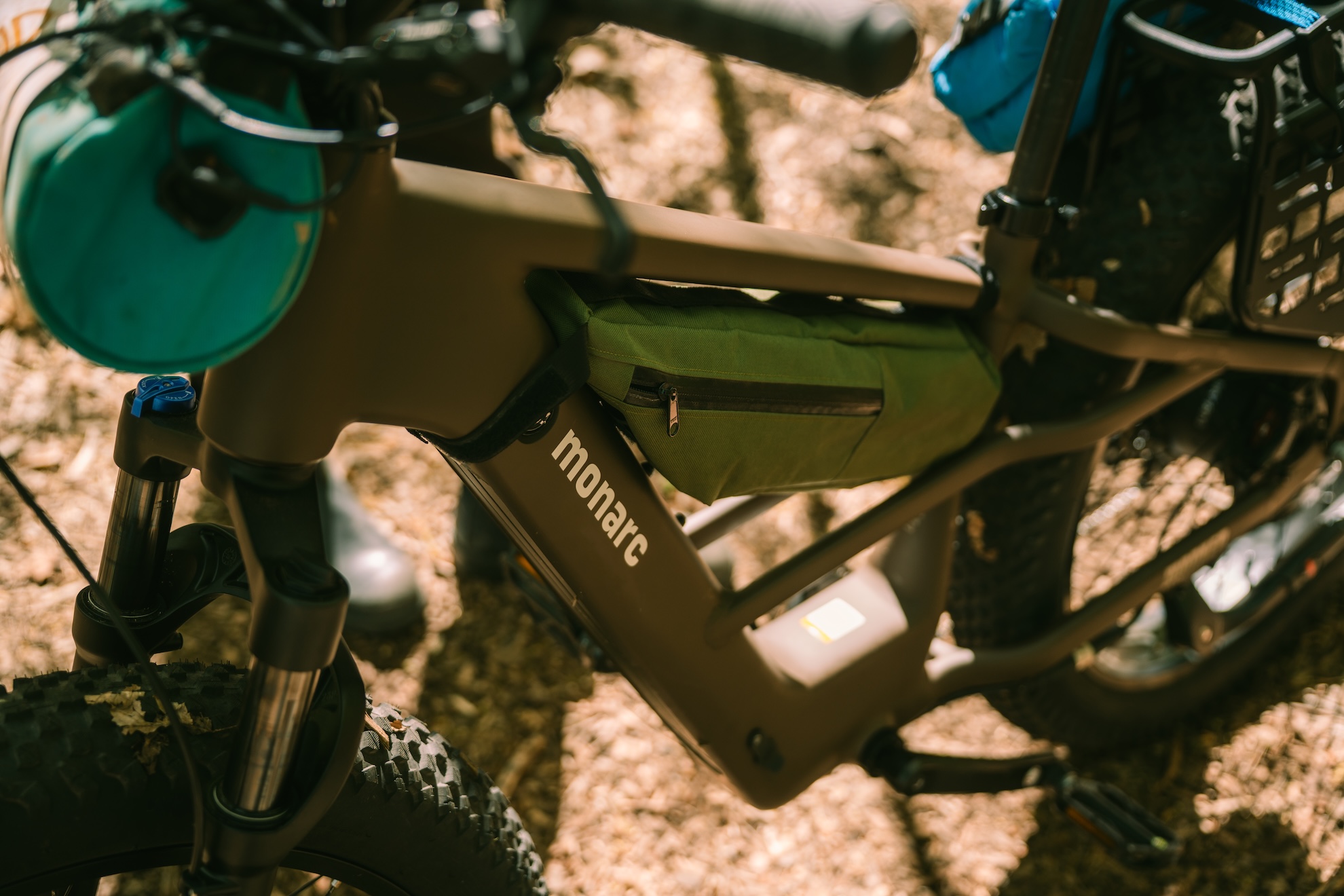
That’s what Lectric has done with Juiced Bikes, Juiced Powersports — which will ship its first e-moto in August — and Monarc. Juiced Bikes was acquired by Lectric in 2025 and relaunched last month, while Monarc, which started as a skunkworks project within Lectric, spun out this week as a standalone brand based in Minnesota, led by industry vets Julia Moran and Ryan Callahan.
Each brand has its own product engineering and development, branding, marketing, and customer service teams. Conlow takes this separation a step further, noting he even wants the brands to compete with each other.
“We don’t want three brands that end up looking and performing the same or feeling the same. There should be healthy competition between [them],” he said.
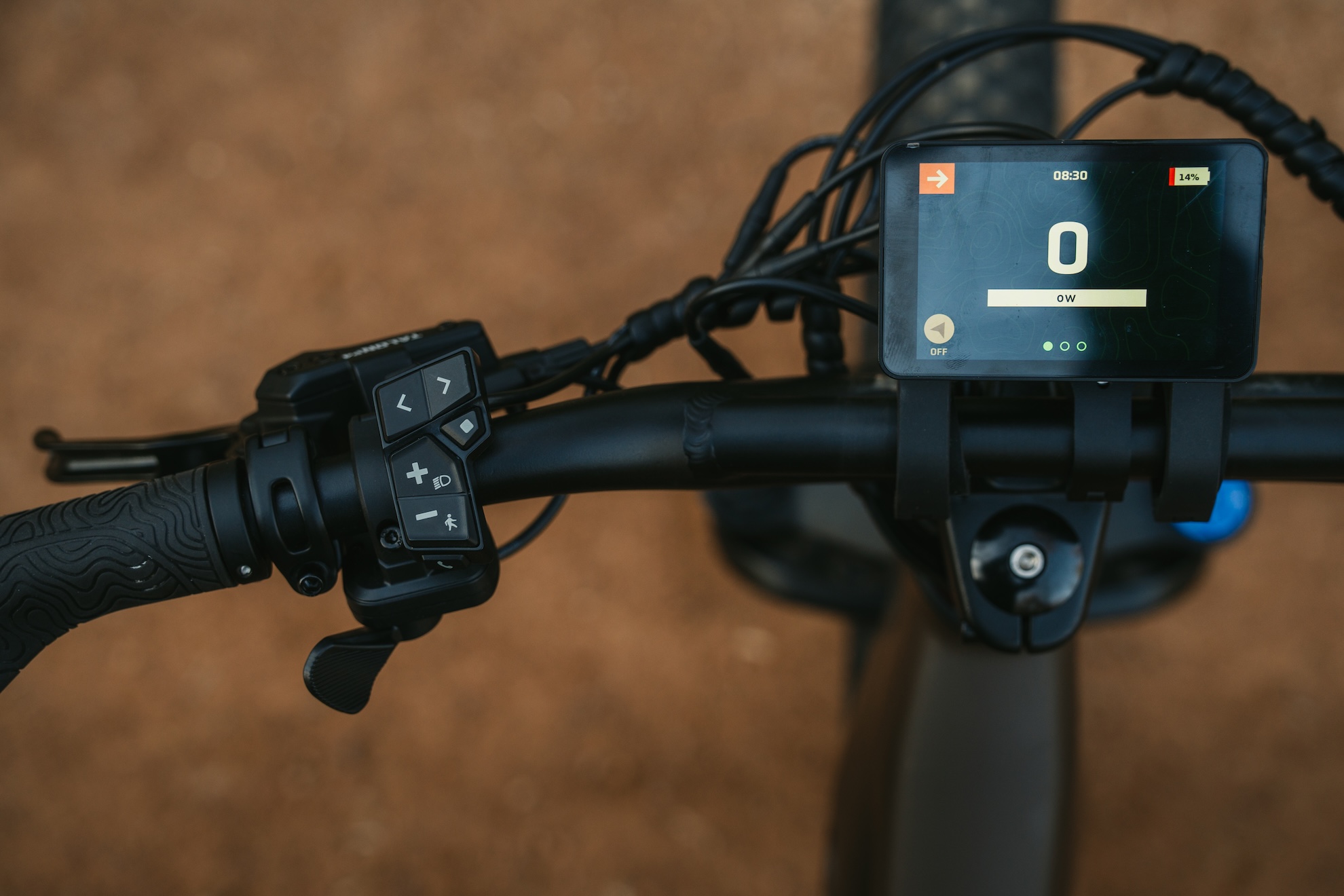
Monarc is leaning on its premium adventure lifestyle features and customer service strategy that includes a five-year warranty and phone support with real humans. (Conlow was quick to note that none of its brands will ever use AI for customer service.)
Monarc’s first e-bike, an all-terrain trail electric bike called the Marker, will come standard with two LG 48-volt 15Ah batteries — an offering that is unusual in the e-bike sector — that provide 720 watt-hours each and are UL 2271 certified. The batteries also come with a 5-amp fast charger. The Marker, which will begin shipping to customers in July, is kitted out with other premium features like a Bafang motor, Shimano drivetrain, and a 3.5-inch color touchscreen that can sync with other accessories like rearview radar and smart helmets.
Monarc and the two Juiced brands are small, with 10 and eight employees, respectively, though they are expected to expand. Lectric itself has 170 employees. The brands operate independently but leverage Lectric’s supply chain, purchasing power, and back-end support.
Whether Lectric will continue to launch new independent brands is an open question. Conlow kept the prospect open: “We continue to explore and keep our eyes open.” But he isn’t in any rush. “We have made our plate very full, and we’re going to stay focused on this.”


